




Title Dispute Attorney in Fort Lauderdale and Broward County
A title dispute attorney in Florida handles complex property ownership conflicts that threaten your real estate rights and financial security. Title disputes arise when the chain of ownership is unclear, previous owners claim rights to the property, or boundary lines or easements are contested. These cases require a detailed understanding of Florida property law because title disputes directly affect your ability to sell, refinance, or develop property. Property title issues in Florida range from minor clerical errors in deeds to serious disputes involving encroachments, easements, or multiple claims to the same property. Without legal intervention, a title dispute can freeze your real estate assets for months or years, preventing sales and costing tens of thousands in legal fees and lost opportunities. A skilled title dispute attorney in Florida resolves these conflicts efficiently through negotiation, quiet title actions, or litigation. This guide explains the most common types of title disputes, how Florida courts handle them, and why hiring an experienced attorney protects your investment. Whether you’re facing an unexpected title claim or trying to clear your property before sale, understanding your legal options makes all the difference.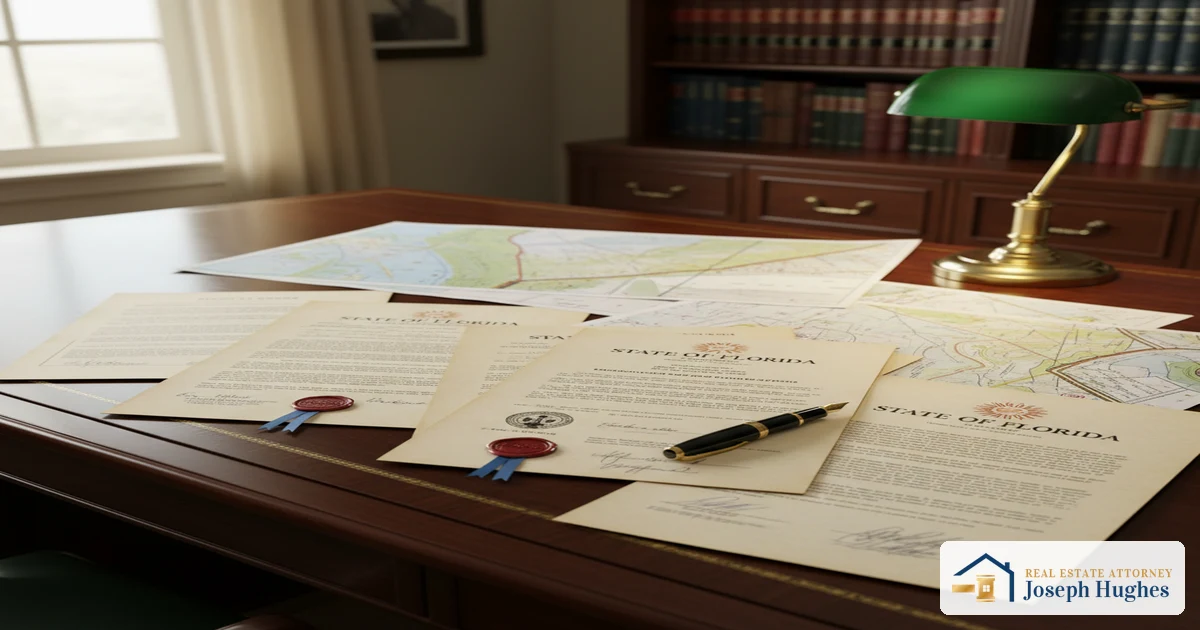
What Causes Title Disputes in Florida?
Title disputes originate from several sources. An old lien from a previous owner might not have been properly discharged at closing. A boundary survey reveals your neighbor’s garage encroaches six feet onto your property. A previous owner’s heir claims they have rights to the property because inheritance was improperly documented. A recorded easement allows a utility company permanent access through your land. Some disputes trace back decades. A 1985 divorce decree mentioned property rights that were never formalized in the deed. A 1992 mortgage was never released when the loan was paid off. A quitclaim deed from 2005 didn’t properly transfer all ownership interest. These historical issues create quiet title problems that must be resolved before the property can be confidently transferred. The Florida Department of Revenue maintains property records that often surface these long-buried discrepancies. Recording errors in the clerk’s office also cause disputes. A deed might be recorded under the wrong legal description, or two properties might be mistakenly recorded with overlapping boundaries. These clerical issues require court intervention to correct.Common Types of Florida Title Disputes
Understanding the type of dispute you face helps determine the right legal strategy. Here are the most frequent title disputes Florida courts handle:Boundary Disputes and Encroachments
Boundary disputes occur when neighboring properties have unclear or conflicting property lines. A fence might be built one foot onto your neighbor’s lot. A building might partially encroach across a boundary. A survey reveals the boundary line runs through an existing structure. Encroachments are serious because they affect property value and your ability to develop land. Even small encroachments — a neighbor’s driveway, fence, or landscaping — can prevent you from selling or refinancing without resolution. Hughes Real Estate Law handles boundary dispute and encroachment cases throughout South Florida.Lien and Encumbrance Issues
Previous owners sometimes leave behind unpaid liens that attach to the property. A contractor’s lien from a 2010 renovation, a judgment lien from a lawsuit, or a tax lien from unpaid property taxes can block clear title transfer. When you purchase property, you assume these liens unless they’re properly discharged before closing. If closing didn’t discharge all liens, you inherit the liability. A title dispute attorney in Florida works to remove or dispute these encumbrances efficiently.Easement and Right-of-Way Conflicts
Easements grant others rights to use portions of your property. A utility easement allows power lines across your land. A road easement allows neighbor access through your property. An agricultural easement restricts development on farmland. Disputes arise when easement boundaries are unclear, easement holders exceed their rights, or recorded easements aren’t what the property owner understood at purchase. A title dispute attorney in Florida clarifies easement scope and enforces limitations. Learn more about Florida easement law and property owners’ rights.Chain of Title Defects
The chain of title is the documented history of ownership from the original land grant to the current owner. Breaks or gaps in this chain create uncertainty about who truly owns the property. A missing deed transfer, an unrecorded sale, or an heir who was never properly excluded from ownership can disrupt chain of title. These defects require quiet title actions to clear. The Broward County Records Division is a primary resource for tracing deed history in South Florida cases.Competing Claims and Unresolved Inheritance
When a property owner dies without a clear will or estate plan, multiple heirs might claim ownership rights. A previous owner’s child from an earlier marriage might claim interest in property their parent owned. These claims create cloud on title — uncertainty about true ownership. Clearing cloud on title requires court action to establish which heir has valid rights and eliminate others’ competing claims. These cases move faster when handled by a title dispute attorney in Florida with quiet title litigation experience.How a Quiet Title Action Resolves Title Disputes
A quiet title action is a civil lawsuit filed to establish clear, unencumbered property ownership. The court determines who has valid title and eliminates claims by others. Once the court orders quiet title, all competing claims are legally erased and you hold clear title. To file a quiet title action, you must identify all potential claimants and serve them with court notice. The court then evaluates evidence, deeds, and legal arguments to determine who holds valid title. The losing claimants lose all rights to the property. For a deeper breakdown of this process, see how quiet title actions work in Florida courts. Quiet title actions require meticulous documentation and careful legal work. Your attorney must prove you have superior title rights compared to other claimants. This involves analyzing deeds, recorded documents, adverse possession law, prescriptive easement law, and more. Quiet title cases in Florida typically take 6–18 months from filing to final judgment.Establishing Superior Title in Florida Courts
Simply owning property and having a deed isn’t automatically superior title — you must prove it. Establishing superior title requires showing you have better legal claim than competing claimants through documented chain of ownership, proper recording, or adverse possession. If you purchased property through a recorded deed, your title is presumptively superior. However, if a competing claimant can show an earlier unrecorded deed or hidden heir, courts must compare claims fairly. Your attorney presents evidence of your claim’s strength and demonstrates why competing claims are weaker. In some cases, adverse possession establishes superior title. If you’ve openly occupied and maintained property for 7+ continuous years without the owner’s permission, Florida law may grant you ownership. A title dispute attorney in Florida documents this occupation and argues adverse possession in court if applicable. The Florida Bar’s consumer guide on adverse possession offers a helpful overview of how this doctrine applies.Litigation and Settlement Strategies for Title Disputes
Not all title disputes require full litigation. An experienced attorney first attempts negotiated settlement. Many title disputes resolve through payment, deed transfer, or recorded agreement without court involvement. For boundary disputes with neighbors, mediation often succeeds. A neutral third party helps both sides reach compromise on fence placement or easement boundaries. Settlement is faster and less expensive than litigation. When negotiation fails, litigation becomes necessary. Your attorney files a quiet title action, adverse possession claim, boundary dispute lawsuit, or other appropriate action. Discovery proceeds, depositions occur, and the case either settles or goes to trial. Hughes Real Estate Law also handles related real estate litigation throughout Fort Lauderdale and Broward County.Title Disputes and Real Estate Transactions
Title disputes often surface during real estate transactions. A buyer orders a title search and the title company reports a lien, easement, or competing claim. The sale stalls until the issue is resolved. As the seller, you’re responsible for clearing title before closing. If you can’t resolve the dispute quickly, the sale falls through. As a buyer, you may be entitled to terminate the purchase if title can’t be cleared by closing date. Working with a title dispute attorney in Florida early prevents these disruptions from derailing your transaction. A title dispute attorney works to resolve issues before closing date. This might involve filing a quiet title action weeks before closing, negotiating with lien holders, or arranging escrow funds to cover potential claims.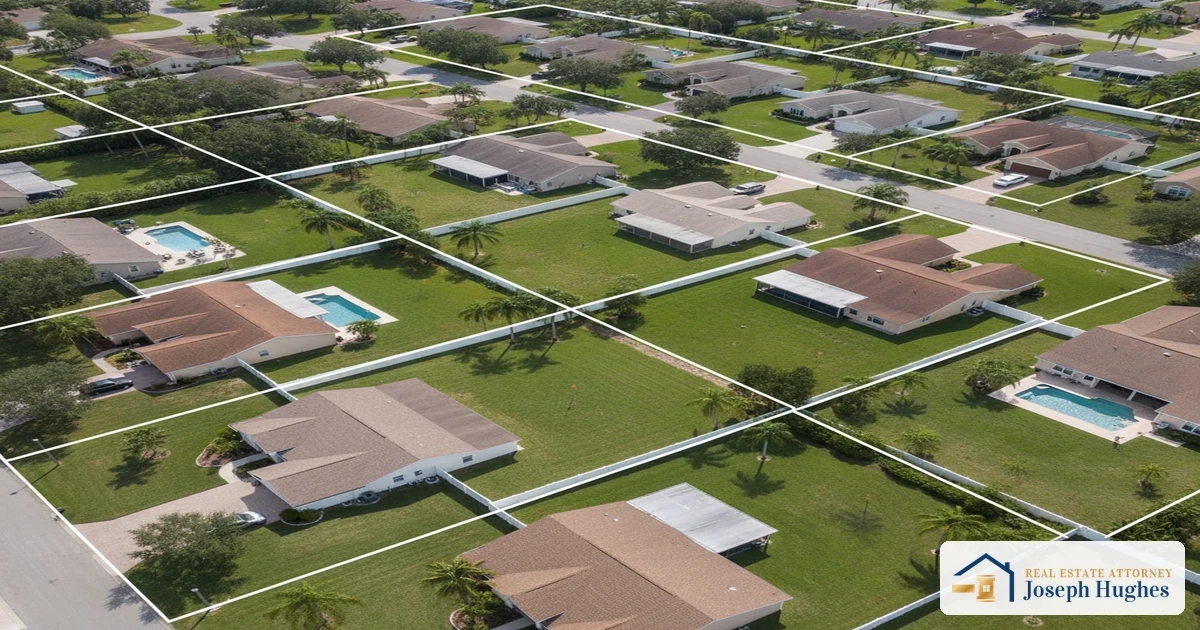
Title Disputes in Broward County
Title disputes over Broward County property are usually filed in the Circuit Court of the Seventeenth Judicial Circuit in Fort Lauderdale. The deeds, mortgages, liens, judgments and notices of lis pendens that create most title problems are recorded in Broward County’s Official Records, maintained by the County’s Records, Taxes and Treasury Division, so every title review starts with a careful search of those records and the chain of ownership they show.
When a dispute cannot be settled, a quiet title action asks the court to declare who owns the property and to remove competing claims. Investors who bought at a county tax deed auction face a specific version of this problem, explained in our guide to quiet title after a Florida tax deed sale. If a lawsuit has been filed against the property, see our lis pendens attorney page.
Frequently Asked Questions: Title Disputes in Florida
| Question | Answer |
|---|---|
| What’s the difference between a quiet title action and a boundary dispute lawsuit? | A quiet title action clears competing ownership claims. A boundary dispute involves neighboring properties with unclear lines. Both require court action but address different issues. |
| How long does it take to resolve a title dispute? | Simple disputes (cleared liens, corrected deeds) resolve in weeks. Complex disputes (quiet title actions, adverse possession claims) take 6–18 months including litigation. |
| Can I sell property with a title dispute? | No buyer will accept title until disputes are resolved. You must clear title through negotiation, court action, or quiet title judgment before closing a sale. |
| What is cloud on title? | Cloud on title is any recorded document or claim that creates doubt about ownership. Clearing cloud on title requires removing or disproving the claim through court action or settlement. |
| What’s adverse possession in Florida? | Adverse possession allows someone to gain property ownership by openly occupying and maintaining land for 7 continuous years without owner permission. It’s a legal claim used to resolve long-standing title disputes. |
| Do I need title insurance after resolving a dispute? | Yes. After resolving a dispute, obtaining title insurance protects against future claims and reassures buyers if you sell. Lenders require title insurance as a condition of financing. |
