




Lis Pendens Attorney in Fort Lauderdale, Florida

Lis pendens Florida is a legal notice filed in public records to warn prospective buyers and lenders that a specific property is the subject of pending litigation. When a lis pendens is properly recorded, it puts the world on notice that ownership or title rights to that property are being disputed in court. Any party who purchases or takes a lien on property after a lis pendens is filed takes that interest subject to the outcome of the lawsuit. Understanding how lis pendens works in Florida can mean the difference between protecting your real estate rights and losing your investment entirely.
What Is a Lis Pendens in Florida?
The phrase “lis pendens” comes from Latin meaning “suit pending.” In practical terms, a Florida lis pendens is a document filed in the county’s official records that alerts anyone searching property title that litigation is underway affecting that real property.
Florida Statute §48.23 governs lis pendens filings. Under this statute, a lis pendens is effective from the time it is filed and provides constructive notice to all subsequent purchasers and creditors. Once recorded, it attaches to the property and follows it through any transfer of ownership.
Common situations where a lis pendens Florida gets filed include:
- Foreclosure proceedings by a lender
- Partition actions among co-owners disputing forced sale of property
- Quiet title actions to resolve competing ownership claims
- Breach of real estate contract disputes
- Boundary and easement disputes involving title
- Divorce proceedings where marital property is contested
- Mechanic’s lien enforcement actions
- Fraudulent conveyance challenges
How a Lis Pendens Is Filed in Florida
Filing a lis pendens in Florida requires specific procedural steps. First, the party filing must have a pending lawsuit that directly affects title to or the right to possession of real property. Florida courts do not permit lis pendens on claims that are only tangentially related to real property.
The filing process involves:
- Preparing a lis pendens document identifying the property by legal description
- Referencing the pending court case number and parties involved
- Recording the lis pendens in the official records of the county where the property is located
- Serving the lis pendens on all parties to the litigation
A lis pendens filed without adequate grounds is improper and can expose the filer to damages under Florida law. Courts can discharge an improper lis pendens, and a party who records one without a good-faith basis can face fee awards and other consequences. Working with a qualified Fort Lauderdale real estate attorney before filing is essential to avoid these risks.
Legal Effect of a Lis Pendens on Florida Property
Once a lis pendens Florida is properly recorded, it has significant consequences for the property. The legal effect is to freeze the property’s status in the eyes of the law. Anyone who acquires an interest after the notice is filed does so with full knowledge of the dispute and cannot claim ignorance as a defense.
Practical effects on property include:
- Sale difficulty: Most buyers walk away from property with a lis pendens on title. Title companies routinely refuse to insure such property until the dispute resolves.
- Refinancing obstacles: Lenders typically decline to refinance property burdened by a lis pendens because their lien would be subordinate to the pending litigation outcome.
- Property value impact: A cloud on title can reduce fair market value and complicate any exit strategy for the property owner.
- Notice to third parties: Anyone who performs a title search discovers the lis pendens and is placed on notice of the lawsuit’s potential outcome.
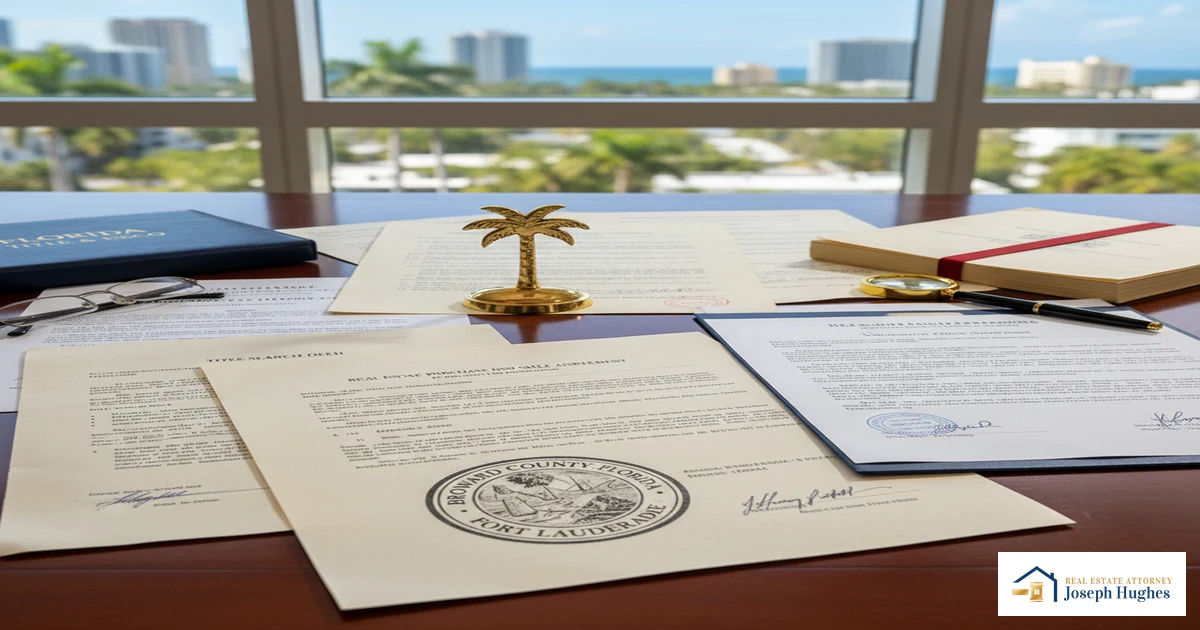
The Broward County Records, Taxes and Treasury Division maintains the official public records where lis pendens filings are indexed. Any title search run on a Broward County property will surface an active lis pendens immediately — which is precisely why it is such a powerful tool to cloud title and prevent a sale from proceeding cleanly.
How to Remove a Lis Pendens in Florida
Property owners facing an improperly filed lis pendens in Florida have several options for removal. Florida Statute §48.23(3) allows a party to seek discharge of a lis pendens if the lawsuit does not directly affect title to the property or is legally insufficient to support the filing.
Grounds for discharging a Florida lis pendens include:
- The underlying lawsuit was dismissed or voluntarily dropped
- Final judgment was entered in favor of the property owner
- The lis pendens was filed without a genuine claim affecting title
- The filer’s claim is legally defective on its face
- The case settled and the settlement eliminated the basis for the filing
When the lawsuit is not founded on a recorded instrument or a construction lien, section 48.23(3) directs the court to control the notice the same way it handles a temporary injunction. In practice, that can mean requiring the party who filed the lis pendens to post a bond to keep it in place, which protects the owner if the notice turns out to be unjustified. A real estate attorney Fort Lauderdale property owners trust can file an emergency motion to discharge a lis pendens that is threatening a pending sale or closing. The Florida Bar’s consumer guide to real property litigation outlines the procedural steps involved in both filing and challenging a lis pendens under Florida law.
How Long Does a Lis Pendens Last in Florida?
Under section 48.23(2), Florida Statutes, a notice of lis pendens generally stops being effective 1 year after the lawsuit was filed. There are two important exceptions: the 1-year limit does not apply when the claim is based on a duly recorded instrument, such as a mortgage, or on a construction lien under Chapter 713. A court can also extend the notice for good cause, and time the case spends on appeal does not count toward the year.
When the lawsuit ends in a dismissal or a judgment for the property owner, the notice no longer has a legal basis. In practice, though, a recorded release from the party who filed it, or a recorded court order discharging it, is usually needed before a title company will treat the property as clear.
What Happens After a Lis Pendens Is Filed?
Once the notice is recorded, anyone who buys the property or lends against it takes their interest subject to the outcome of the lawsuit. You can still sell or refinance in theory, but most buyers, lenders, and title insurers will not close until the notice is resolved. If you have been served with a lawsuit and a lis pendens:
- Calendar the response deadline. In most Florida civil cases you have 20 days after service to respond to the complaint.
- Read the complaint. Whether the claim is founded on a recorded instrument or directly affects title decides how hard the notice will be to remove.
- Pull the recorded notice from the Broward County Official Records and confirm the property description and case number.
- Decide on a strategy: a motion to discharge, a request that the filer post a bond, a negotiated release, or a resolution of the underlying case.
How to Get a Lis Pendens Released
There are three common ways a lis pendens comes off the record: the party who filed it records a voluntary release, the court enters an order discharging it and that order is recorded, or the case concludes and the release or order is recorded as part of the resolution. In a sale or refinance, the title company will tell you exactly which document it needs to insure the property.
Lis Pendens vs. Lien: What’s the Difference?
Property owners often confuse a lis pendens Florida filing with a lien. These are distinct legal instruments with different effects:
| Lis Pendens | Lien |
|---|---|
| Notice of pending litigation only | Security interest in the property itself |
| Does not create a right to payment | Gives creditor a claim against property value |
| Expires when lawsuit ends | Remains until satisfied or released |
| Filed by any party to real property litigation | Filed by creditors, contractors, judgment holders |
| No dollar amount attached | Tied to a specific dollar amount owed |
A lis pendens is a warning. A lien is a security interest. A single property dispute in Florida can result in both: a lis pendens from a pending quiet title action and a mechanic’s lien from an unpaid contractor working on the property. Both must be resolved before clear title can transfer. If you’re dealing with a construction defect claim, a lis pendens may be part of the overall litigation strategy.
Florida Lis Pendens in Foreclosure Cases
In residential and commercial foreclosure cases, the lis pendens Florida filing is one of the first documents recorded when a lender begins the foreclosure process. Florida is a judicial foreclosure state, meaning lenders must file a lawsuit and obtain a court judgment before selling the property.
When you receive notice of a foreclosure lis pendens, time is important. You typically have 20 days to respond to the lawsuit. Failing to respond within that window can result in a default judgment, which eliminates your right to defend the foreclosure. An experienced real estate attorney in Fort Lauderdale can help you assess your defenses, negotiate with the lender, or pursue alternatives like loan modification or short sale. Learn more on our Fort Lauderdale foreclosure defense and short sale attorney page. The U.S. Department of Housing and Urban Development (HUD) provides free foreclosure avoidance counseling resources that can be used in parallel with legal representation.
Lis Pendens in Real Estate Purchase Disputes
Lis pendens Florida filings frequently arise in purchase and sale disputes when a buyer files suit after a seller wrongfully backs out of a contract. By recording a lis pendens, the buyer effectively prevents the seller from conveying clear title to another buyer while the lawsuit is pending.
In Florida, a buyer seeking specific performance of a real estate contract—meaning they want the court to force the seller to complete the sale—has strong grounds for filing a lis pendens because the claim directly affects title to the property. Florida courts generally treat a lis pendens as proper in breach of real estate contract cases where specific performance is a viable remedy.
If you are a seller who received a lis pendens from a buyer you believe lacks standing, engaging a Fort Lauderdale real estate attorney immediately gives you the best chance to have the notice discharged before it derails a subsequent sale opportunity.
Protecting Your Property Rights When a Lis Pendens Is Filed Against You
Facing an unexpected lis pendens in Florida can feel overwhelming — but property owners have real options. The first step is determining whether the underlying lawsuit has genuine merit or whether it’s being used as leverage in a dispute. Courts treat weaponized lis pendens filings seriously and award attorney’s fees in cases of bad-faith filings.
Steps to take when a lis pendens is filed against your property:
- Obtain a certified copy of the filing from the county recorder’s office immediately
- Identify the case number and review the underlying lawsuit’s claims
- Consult a commercial or residential real estate attorney to assess your discharge options
- Determine whether a bond can be posted to allow the property to transfer while litigation continues
- File for emergency discharge if a closing or sale is imminent and the lis pendens lacks legal basis
FAQ: Lis Pendens Florida
| Question | Answer |
|---|---|
| How long does a lis pendens last in Florida? | Generally 1 year from the date the lawsuit was filed, unless the claim is based on a recorded instrument such as a mortgage or on a construction lien, or the court extends it. When the case is dismissed or decided, a recorded release or discharge order is usually needed to clear the title record. |
| Can I sell my house with a lis pendens on it? | Technically yes, but practically very difficult. Title companies typically refuse to insure the transaction, and most buyers will not proceed without clear title. |
| What is the cost to file a lis pendens in Florida? | Recording fees are modest and set by Florida’s statutory recording fee schedule. The real cost is the underlying lawsuit, because a lis pendens can only be recorded in connection with a pending case that affects the property. |
| Who can file a lis pendens in Florida? | Any party to a pending lawsuit that directly affects title to or possession of real property can file a lis pendens. It is not limited to lenders or attorneys. |
| What happens if a lis pendens is filed wrongfully? | A court can discharge it under section 48.23, Florida Statutes. Depending on the facts, the property owner may also be able to recover attorney’s fees or pursue damages, for example through a slander of title claim. |
Hughes Real Estate Law: Fighting for Your Property Rights in Fort Lauderdale
Whether you need to file a lis pendens Florida to protect your real estate claim or you need to discharge one that is wrongfully clouding your title, the right legal representation is everything. Hughes Real Estate Law provides experienced, strategic real estate litigation counsel throughout Fort Lauderdale and Broward County. Call (954) 256-5125 or visit our contact page to speak with a real estate attorney today.
About Hughes Real Estate Law: Hughes Real Estate Law is a Fort Lauderdale-based real estate litigation firm serving clients throughout Broward County and South Florida. The firm handles quiet title actions, partition actions, lis pendens filings and discharges, breach of contract disputes, construction defect claims, and commercial property litigation. Located at 1141 SE 2nd Ave, Fort Lauderdale, FL 33316.
