




Lease Agreements for Fort Lauderdale Homes and Businesses
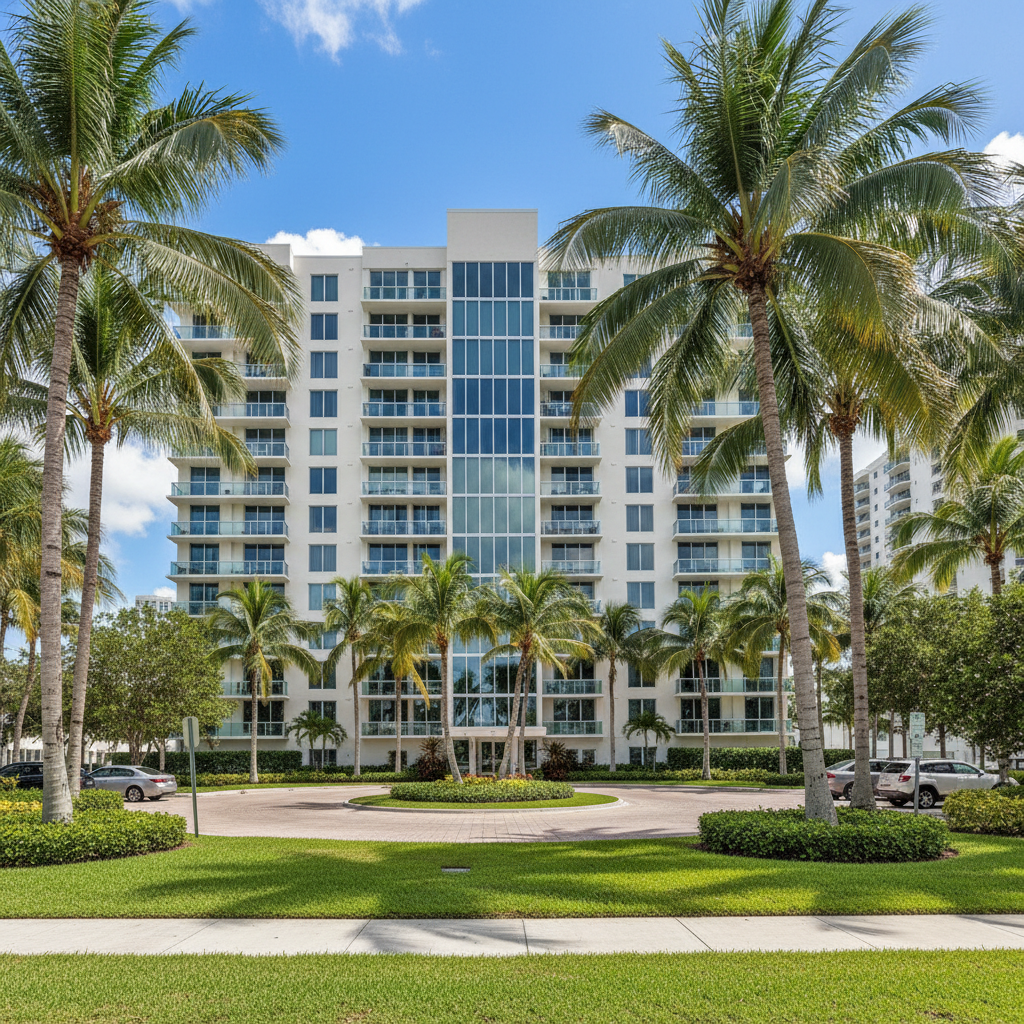
Fort Lauderdale residential and commercial leases are legally binding contracts that govern the rights and obligations of landlords and tenants throughout the entire rental period. A well-drafted lease prevents disputes before they start. A poorly written lease creates ambiguity, leaves obligations undefined, and gives the other party room to argue positions you never intended to allow. Whether you are a landlord renting a single-family home, a commercial property owner leasing retail space, or a tenant reviewing a lease before signing, having a Fort Lauderdale lease attorney involved protects your interests from day one.
Joseph Hughes drafts, reviews, and negotiates residential and commercial lease agreements for landlords and tenants throughout Fort Lauderdale and Broward County. Hughes Real Estate Law ensures every lease includes all Florida-required provisions, clearly defines each party’s obligations, and provides enforceable remedies when those obligations are violated. Joseph Hughes reviews every lease personally.
This page covers what Florida law requires in a valid residential lease in Fort Lauderdale, what makes a commercial lease different and more complex, and why attorney involvement before signing saves significant time and money.
Residential Lease Requirements in Florida
Florida’s Residential Landlord and Tenant Act (Chapter 83) governs all residential lease agreements in Broward County. The statute sets mandatory provisions that apply to every residential tenancy — regardless of whether they are included in the written lease. A Fort Lauderdale residential lease attorney ensures the written agreement is consistent with these requirements and includes additional protections beyond the statutory minimums.
- Security deposit notice — The landlord must inform the tenant in writing how the security deposit is held — in a Florida bank account or through a surety bond — within 30 days of receipt
- Disclosure of landlord’s name and address — Florida requires landlords to disclose the name and address of the person authorized to receive notices on their behalf
- Required maintenance obligations — The lease should clearly define each party’s maintenance responsibilities consistent with Chapter 83’s habitability standards
- Entry notice requirements — Landlords must give at least 12 hours’ notice before entering a rental unit except in emergencies
- Termination notice provisions — The lease must reflect Florida’s statutory notice requirements — 3-day, 7-day, or 15-day depending on the type of termination
Commercial Lease Agreements in Fort Lauderdale
Commercial lease agreements in Florida are governed primarily by contract law — not by the broad statutory protections that apply to residential tenants. This gives landlords and tenants significant flexibility to define their own terms. It also means that whatever the lease says is the law between the parties — making the drafting and review process critically important.
Commercial leases in Broward County typically involve multi-year terms with financial consequences that dwarf the cost of attorney review. A Fort Lauderdale commercial lease attorney reviews and negotiates the following provisions before any commercial lease is signed:
| Lease Provision | Why It Matters |
|---|---|
| Base Rent & Escalation Clauses | Annual rent increases can be fixed or tied to CPI — poorly drafted escalation clauses can result in unexpected large increases |
| Triple Net (NNN) vs. Gross Lease | Defines whether the tenant pays only base rent or also property taxes, insurance, and maintenance — a significant financial difference |
| Permitted Use Clause | Specifies exactly what the tenant can do in the space — overly narrow use clauses can prevent business expansion |
| Exclusivity Clause | Prevents the landlord from leasing nearby space to a competing business — critical for retail tenants |
| Subletting & Assignment Rights | Defines whether the tenant can transfer the lease — essential for business buyers and sellers |
| Buildout & Tenant Improvement Allowance | Who pays for improvements, who owns them at lease end, and what happens to them if the tenant vacates early |
| Personal Guarantee | Whether the business owner is personally liable if the business entity defaults on the lease |
| Default & Cure Provisions | What constitutes default, how long the tenant has to cure, and the landlord’s remedies for uncured default |
Lease Renewal and Modification
Lease renewals are often treated as routine — but they are a separate legal agreement that deserves the same attention as the original lease. Market conditions change. Rent increases may be above market. Maintenance obligations may have shifted. A Fort Lauderdale lease attorney reviews renewal terms, negotiates modifications where appropriate, and ensures the renewed lease accurately reflects the current agreement between the parties.
Lease modifications — sometimes called addenda or amendments — change specific terms of an existing lease without replacing it entirely. They must be drafted carefully to avoid creating ambiguity or unintended obligations. For disputes arising from lease interpretation or violation, Joseph Hughes handles lease agreement disputes throughout Fort Lauderdale. The Florida Bar’s consumer resources provide additional guidance on tenant and landlord rights under Florida lease law.
Local Resources for Fort Lauderdale Lease Matters
| Resource | What It Provides | Link |
|---|---|---|
| Florida Senate — Chapter 83 | Full text of Florida’s Residential Landlord-Tenant Act | flsenate.gov |
| Broward County Circuit Court | Eviction filings and civil lease dispute case records | browardclerk.org |
| Broward County Housing Authority | Rental housing resources and tenant assistance programs | bchafl.org |
| Florida Bar Consumer Resources | Tenant and landlord legal guides for Florida lease matters | floridabar.org |
Frequently Asked Questions
| Question | Answer |
|---|---|
| Does Florida require a written lease? | No — oral leases are technically valid for tenancies under one year. But oral leases create significant enforcement problems. A written lease drafted by a Fort Lauderdale lease attorney is always the right choice. |
| What is a triple net lease? | A triple net (NNN) lease requires the tenant to pay base rent plus property taxes, building insurance, and maintenance costs. It is common in commercial real estate and can significantly increase the tenant’s total occupancy cost. |
| Can a landlord raise rent mid-lease in Florida? | No — during a fixed-term lease, rent cannot be raised unless the lease specifically allows it. After the lease term, a landlord can raise rent with proper notice for the new term. |
| What happens if my commercial lease has a personal guarantee? | You are personally liable if the business entity fails to pay. Personal guarantees are fully enforceable in Florida. A Fort Lauderdale lease attorney negotiates personal guarantee limitations — such as burn-down clauses — before signing. |
| Does Joseph Hughes draft both residential and commercial leases? | Yes. Hughes Real Estate Law drafts, reviews, and negotiates both residential and commercial lease agreements throughout Fort Lauderdale and Broward County. |
A Lease That Protects You — Before You Sign
Hughes Real Estate Law handles Fort Lauderdale residential and commercial leases for landlords and tenants throughout Broward County. Call (954) 256-5125 or visit our contact page to schedule your lease review or drafting consultation today.
About Hughes Real Estate Law
Hughes Real Estate Law is a Fort Lauderdale real estate law firm focused exclusively on Florida property law. Joseph Hughes drafts, reviews, and negotiates residential and commercial lease agreements for landlords and tenants throughout Broward County. The firm serves Fort Lauderdale, Hollywood, Pompano Beach, Davie, Coral Springs, Dania Beach, Wilton Manors, Oakland Park, Sunrise, and Margate. Call (954) 256-5125 to speak with a Fort Lauderdale lease attorney directly.
