




Eviction Attorney Fort Lauderdale
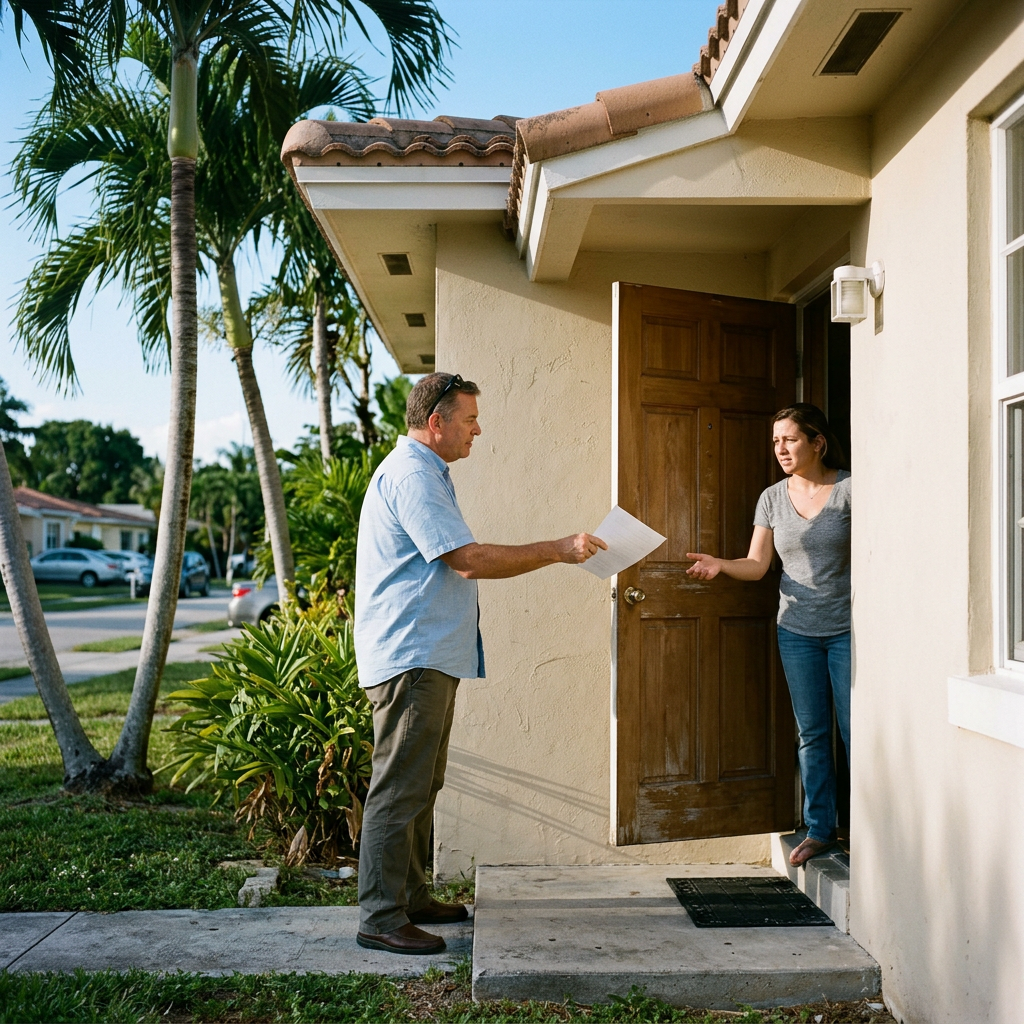
Fort Lauderdale evictions are governed by Florida’s Residential Landlord and Tenant Act — one of the most procedurally strict landlord-tenant statutes in the country. A landlord who deviates from the required notice timelines, serves notice improperly, or uses the wrong form gets their eviction case dismissed. The tenant stays. The process restarts. Weeks are lost. Having a Fort Lauderdale eviction attorney handle the process from the beginning eliminates these costly mistakes and moves the case through Broward County courts as efficiently as the law allows.
Joseph Hughes handles evictions in Fort Lauderdale for residential and commercial landlords throughout Broward County. Hughes Real Estate Law prepares and serves legally compliant notices, files the eviction complaint in Broward County court, and represents landlords through the full eviction process — including contested hearings and writs of possession. Joseph Hughes handles every eviction matter personally.
This page covers Florida’s eviction process step by step, which notices are required under different circumstances, and what landlords must do — and avoid — to get a legal and enforceable eviction in Fort Lauderdale.
Florida Eviction Process: Step by Step
Florida evictions follow a specific legal sequence under Chapter 83 of the Florida Statutes. Every step must be completed correctly before the court will grant possession to the landlord.
- Step 1 — Serve the Required Notice: Depending on the reason for eviction, the landlord serves a 3-day, 7-day, or 15-day notice with specific required language
- Step 2 — Wait for the Notice Period: The tenant has the full notice period to cure the violation or vacate. The clock starts the day after service — not the day of service.
- Step 3 — File the Eviction Complaint: If the tenant fails to comply, the landlord files a complaint for eviction in Broward County Court with the Clerk of Courts
- Step 4 — Serve the Summons: The court issues a summons and the tenant is served. The tenant has 5 days to respond.
- Step 5 — Default or Hearing: If the tenant doesn’t respond, the landlord requests a default judgment. If the tenant contests, a hearing is scheduled before a Broward County judge.
- Step 6 — Final Judgment and Writ of Possession: After a judgment in the landlord’s favor, the court issues a Writ of Possession. The Broward County Sheriff enforces the writ and removes the tenant if they do not vacate voluntarily.
Florida Eviction Notices: Which One Applies
| Notice Type | When It’s Used | What It Requires |
|---|---|---|
| 3-Day Notice to Pay or Vacate | Nonpayment of rent | Tenant must pay full rent owed or vacate within 3 business days (excludes weekends and holidays) |
| 7-Day Notice to Cure | Curable lease violation (noise, pets, unauthorized occupants) | Tenant must correct the violation within 7 days or the lease terminates |
| 7-Day Unconditional Quit Notice | Repeat or incurable violations — tenant cannot cure | Tenant must vacate within 7 days — no option to cure |
| 15-Day Notice to Terminate | Month-to-month tenancy with no lease violation | Either party can terminate a month-to-month tenancy with 15 days’ notice before the end of the rental period |
| Commercial Eviction Notice | Nonpayment or violation of commercial lease | Governed by the commercial lease terms and Chapter 83, Part I of Florida Statutes |
Common Eviction Mistakes That Get Cases Dismissed
Florida courts dismiss eviction cases regularly because landlords make procedural errors. The most common mistakes that a Fort Lauderdale eviction attorney prevents:
- Serving the notice on the wrong day — The 3-day count excludes Saturdays, Sundays, and legal holidays. Miscounting the days makes the notice defective.
- Wrong notice amount — The 3-day notice must state the exact amount of rent owed. Including late fees or other charges in the notice amount can void it.
- Improper service — Notice must be served properly — posted on the door and mailed, or personally delivered. Improper service is grounds for dismissal.
- Accepting rent after serving notice — Accepting any rent payment after serving a 3-day notice can waive the eviction and require starting the process over.
- Filing too early — Filing the eviction complaint before the notice period expires is grounds for dismissal and sanctions.
- Self-help eviction — Changing locks, removing belongings, or shutting off utilities to force a tenant out is illegal in Florida and exposes landlords to significant liability.
The Broward County Clerk of Courts processes all eviction filings for Fort Lauderdale. A Fort Lauderdale eviction attorney ensures every notice, filing, and hearing step is completed correctly the first time — so there are no dismissals and no restarts. Under Florida Statutes Chapter 83, the exact procedures for eviction are outlined in full.
Commercial Evictions in Fort Lauderdale
Commercial evictions in Broward County follow a different process than residential evictions. Commercial lease terms govern most of the procedure — including notice requirements, cure periods, and the landlord’s remedies for default. Florida’s commercial landlord-tenant statute (Chapter 83, Part I) provides a framework, but the lease terms typically control.
Commercial evictions often involve more money, longer lease terms, and more legally sophisticated tenants than residential cases. A Fort Lauderdale eviction attorney reviews the commercial lease before filing, ensures all contractual conditions precedent to eviction have been met, and handles the eviction proceeding in Broward County court. For lease-related issues leading to an eviction, Joseph Hughes also handles commercial lease agreement disputes in Fort Lauderdale.
Local Resources for Fort Lauderdale Landlords
| Resource | What It Provides | Link |
|---|---|---|
| Broward County Clerk of Courts | Eviction filings, case records, writ of possession processing | browardclerk.org |
| Florida Senate — Chapter 83 | Full text of Florida’s Residential Landlord-Tenant Act | flsenate.gov |
| Broward County Sheriff’s Office | Writ of possession enforcement for completed evictions | sheriff.org |
| Florida Bar Consumer Resources | Landlord and tenant legal guides, attorney verification | floridabar.org |
Frequently Asked Questions
| Question | Answer |
|---|---|
| How long does an eviction take in Fort Lauderdale? | An uncontested eviction in Broward County typically takes 3–5 weeks from serving the initial notice to the Writ of Possession. Contested evictions take longer depending on the hearing schedule. |
| Can a tenant stop an eviction in Florida? | A tenant can contest the eviction by filing a response within 5 days of service. They can also pay all rent owed after a 3-day notice to cure a nonpayment eviction. Defenses include improper notice and landlord’s failure to maintain habitable conditions. |
| Can I evict a tenant for not paying rent during COVID protections? | Federal and state COVID-era eviction moratoriums have expired. Florida eviction procedures are fully operative. Call (954) 256-5125 to discuss your specific case with a Fort Lauderdale eviction attorney. |
| What is a self-help eviction and is it legal? | A self-help eviction — changing locks, removing belongings, or shutting off utilities to force out a tenant — is illegal in Florida. It exposes landlords to civil liability. All evictions must go through the court process. |
| Does Joseph Hughes handle commercial evictions? | Yes. Hughes Real Estate Law handles both residential and commercial evictions in Fort Lauderdale and throughout Broward County. |
Get the Eviction Done Right the First Time
Hughes Real Estate Law handles Fort Lauderdale evictions for residential and commercial landlords throughout Broward County. Call (954) 256-5125 or visit our contact page to schedule your consultation today.
About Hughes Real Estate Law
Hughes Real Estate Law is a Fort Lauderdale real estate law firm focused exclusively on Florida property law. Joseph Hughes handles residential and commercial evictions, lease disputes, and landlord-tenant litigation throughout Broward County. The firm serves Fort Lauderdale, Hollywood, Pompano Beach, Davie, Coral Springs, Dania Beach, Wilton Manors, Oakland Park, Sunrise, and Margate. Call (954) 256-5125 to speak with a Fort Lauderdale eviction attorney directly.
