




Florida Tax Deed Sale & Quiet Title Action
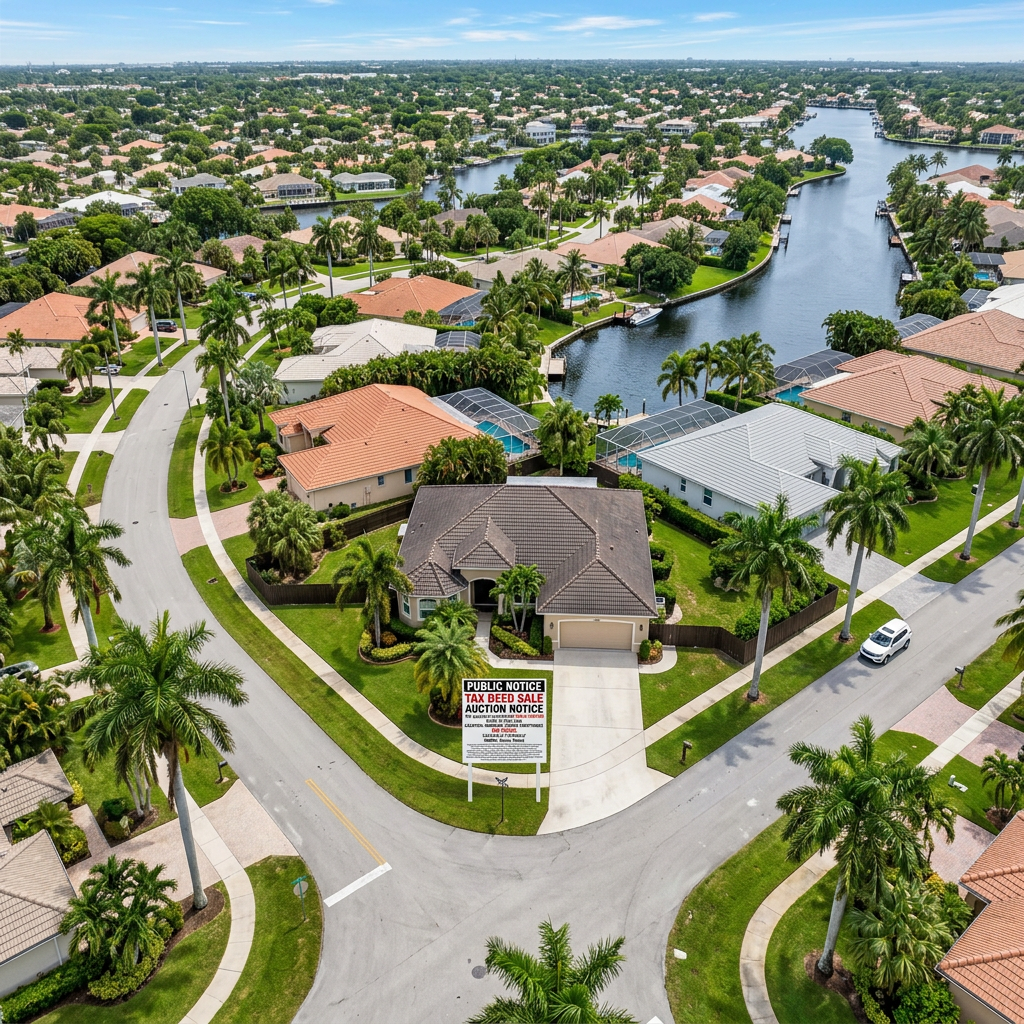
A Florida tax deed sale can look like one of the best real estate deals available, a property purchased at a fraction of market value through a county auction. What many buyers learn after the sale is that title companies usually will not insure a tax deed on its own. What stands between a tax deed purchase and a fully marketable property is a quiet title action in Florida, a circuit court lawsuit that confirms the tax deed and bars prior owners and lienholders from challenging it, so the property can be insured, sold, or financed like any other piece of real estate.
This article explains exactly what happens to a Florida property after a tax deed sale, why title insurance companies usually won’t insure a tax deed without a quiet title judgment, and how a quiet title action attorney in Fort Lauderdale moves you from auction winner to clean title holder.
What Is a Florida Tax Deed Sale?
When a Florida property owner falls behind on property taxes, the county sells a tax certificate to investors, allowing the county to recover the unpaid taxes immediately. If the property owner does not redeem the certificate within a set period, the certificate holder can apply for a tax deed, triggering a public auction. The winning bidder receives a tax deed, issued in the name of the county and signed by the clerk.
On paper, a Florida tax deed wipes out most prior interests. Under section 197.552, Florida Statutes, no right, interest, restriction or covenant survives the tax deed, except liens of record held by a city, county, special district or community development district that are not paid from the sale proceeds. Certain recorded use restrictions and covenants also survive under section 197.573. The catch is that this result depends on every owner and lienholder having received the notice the law requires before the sale. If a notice was missed or defective, a former owner or lienholder may challenge the deed, and title companies generally will not take that risk without a court judgment. The Broward County Property Appraiser maintains the ownership and tax records relevant to every tax deed transaction in Fort Lauderdale.
Why a Tax Deed Alone Is Not Enough
After a Florida tax deed sale, the buyer owns the property in fact, but not in a form that lenders, title insurers, or future buyers will accept without qualification. Here is what typically remains a risk after a tax deed:
- Notice challenges: a former owner, mortgage lender or other lienholder who claims it never received proper notice of the tax deed application may try to set the deed aside
- Government liens: unpaid liens of record held by a city, county, special district or community development district, such as code enforcement liens, can survive the tax deed
- Restrictions and covenants: recorded use restrictions, including many HOA restrictions, survive and remain enforceable against the new owner
- Heir and estate claims: if the prior owner died, heirs who were not properly identified and notified may later assert a claim
- Federal tax liens: federal law has its own notice rules for liens held by the United States, so these need separate review
Each of these risks must be identified and addressed, either through negotiation and payoff or through a quiet title action that resolves them by court order.quiet title action in Florida that eliminates them by court order.
What a Quiet Title Action Does After a Tax Deed Sale
A Florida quiet title action filed after a tax deed sale produces a final court judgment confirming the tax deed buyer as the owner and barring the prior owners and lienholders named in the suit from later challenging the deed. That judgment is then recorded in Broward County public records, and from that point forward, the property has clean, insurable, marketable title.
The process involves a full title search to identify every party with a potential interest, proper service of the quiet title lawsuit on each one (by publication if they cannot be located), and a final hearing before a Broward County circuit court judge. When no party appears to contest the action, the judgment is entered by default, typically within 3 to 6 months of filing. A quiet title action attorney in Fort Lauderdale manages every step of this process. For a complete overview of how quiet title works in Florida, see our quiet title action Florida page.
The Role of Title Insurance After a Tax Deed Quiet Title
Once the quiet title judgment is entered and recorded, the property becomes insurable. Title insurance companies, which had previously declined to insure based on the tax deed alone, will now issue a standard owner’s title insurance policy. That policy protects the buyer against covered title defects, subject to its listed exceptions.
Title insurance is what unlocks the full market value of a tax deed investment. Without it, you can’t sell to a buyer using financing. You can’t refinance the property. You can’t attract conventional buyers at full market prices. With it, the property is fully liquid, tradeable like any other real estate asset in Broward County. For title insurance and escrow services in Fort Lauderdale, see title insurance and escrow services.
How Long Does This Process Take?
Most uncontested tax deed quiet title actions in Florida take 3 to 6 months from filing to final judgment. That timeline includes the title search, service of process on all identified parties, a 20-day response period after personal service (longer when a party is served by publication), default processing, and the final hearing. If any prior lienholder or heir appears to contest the action, the timeline extends, but contested quiet title cases are relatively rare in straightforward tax deed situations where the prior owner simply failed to pay taxes.
The investment of time is well worth it. A tax deed property purchased at auction for $150,000 might have a market value of $280,000, but that spread only materializes once the quiet title judgment is in hand and title insurance is available. Without it, you’re sitting on an asset you can’t fully monetize. Joseph S. Hughes handles every matter himself. He earned his J.D. at the University of Miami School of Law and has more than 10 years of practice in Florida real estate law.
Frequently Asked Questions
| Question | Answer |
|---|---|
| Do I need a quiet title action for every Florida tax deed purchase? | Yes, in virtually all cases, if you intend to sell the property, finance it, or obtain title insurance. A quiet title action in Florida is the standard process for making a tax deed property fully marketable. |
| Can I sell a tax deed property before completing the quiet title action? | Technically yes, but only to a cash buyer willing to accept uninsured title. Most buyers won’t. Most investors wait until the quiet title judgment is entered before listing the property. |
| What if a prior mortgage holder shows up after I win the tax deed auction? | That is exactly what the quiet title action process is designed to address. The quiet title lawsuit requires all prior interest holders, including mortgage lenders, to appear and assert their claims or be forever barred. |
| How do I find a quiet title attorney in Fort Lauderdale? | Contact Hughes Real Estate Law at (954) 256-5125. Joseph Hughes is a quiet title attorney who handles quiet title actions for tax deed buyers throughout Fort Lauderdale and Broward County. |
| Is there any way to clear a tax deed title without a quiet title action? | Sometimes, but it takes time. Under section 95.191, Florida Statutes, once the tax deed holder has been in actual possession of the property for four years, a former owner or other adverse claimant generally can no longer sue to recover it, and some title insurers will consider insuring the property at that point. Buyers who want to sell, refinance or build sooner usually file a quiet title action. For other ownership conflicts, see our title dispute attorney page. |
From Tax Deed to Clean Title: Hughes Real Estate Law Gets You There
If you’ve purchased a property at a Florida tax deed sale and need a quiet title action to clear the title, Hughes Real Estate Law is ready to help. Call (954) 256-5125 or visit our contact page to schedule your consultation. Hughes Real Estate Law handles quiet title actions for tax deed buyers, adverse possession claimants, and estate property owners throughout Fort Lauderdale and Broward County.
