




How to Get Out of a Deposition in Florida: Legal Options
How to get out of a deposition in Florida is a question many people ask when facing a sworn testimony session in real estate litigation. While depositions are a standard part of the discovery process, there are valid legal grounds to avoid or reschedule one. Understanding how to get out of a deposition in Florida requires knowing the rules, valid excuses, and procedural steps to request relief from the court.
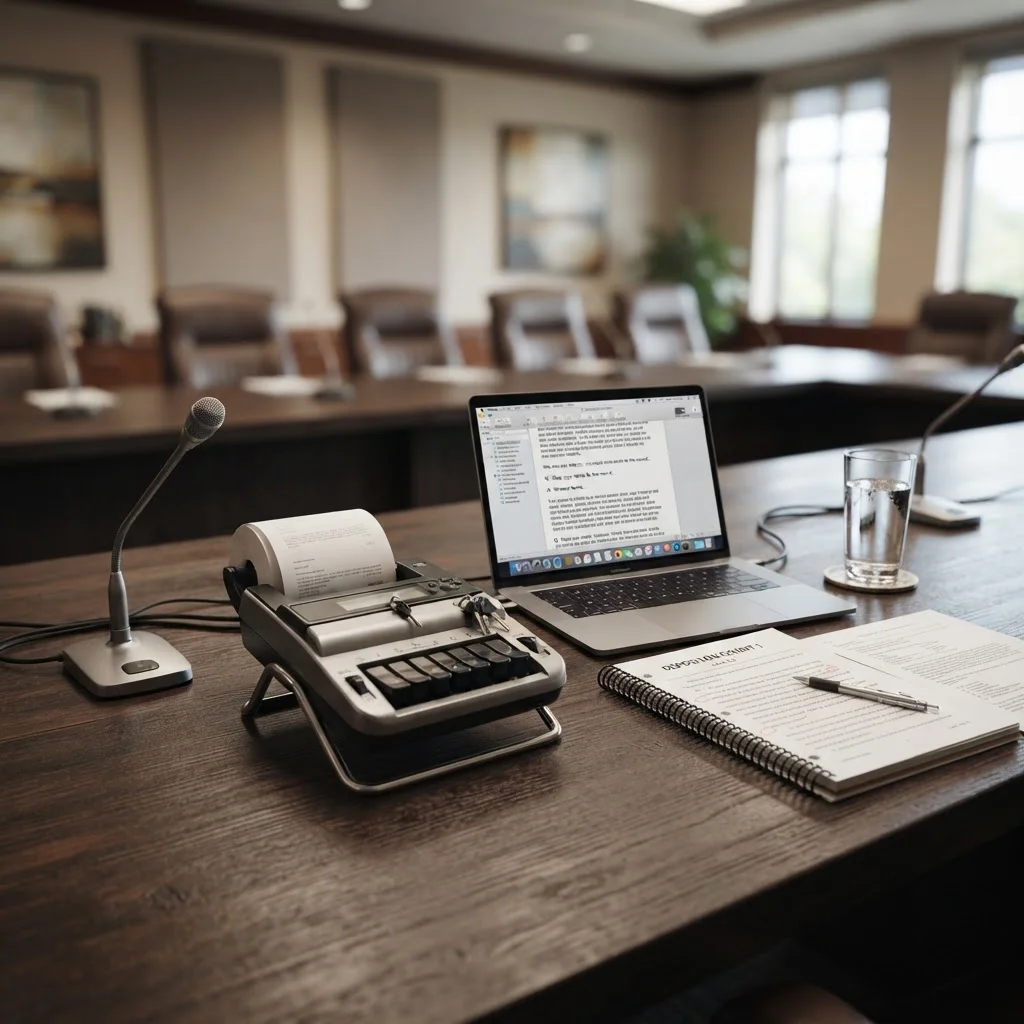
What is a Deposition in Florida Litigation?
A deposition is a sworn out-of-court testimony used to gather information during the discovery phase of a lawsuit. In Florida, depositions are governed by the Florida Rules of Civil Procedure. Both parties can ask questions to understand the facts of the case. Depositions are common in real estate litigation cases involving property disputes, contract breaches, and construction defects. If you have been noticed for a deposition, understanding how to get out of a deposition in Florida starts with knowing whether you have valid legal grounds.
Valid Reasons to Be Excused from a Deposition
Florida courts recognize several valid grounds for excusing or postponing a deposition:
- Medical reasons: Serious illness or medical conditions that prevent participation, supported by a doctor’s note
- Privilege protections: Certain communications are protected by attorney-client, spousal, or other privileges
- Harassment or bad faith: The deposition is being used to harass rather than gather relevant information
- Irrelevance: The deponent has no relevant knowledge of the case facts
- Scheduling conflicts: Pre-existing commitments that cannot be moved, though this typically results in rescheduling
- Undue burden: The deposition imposes an unreasonable hardship on the witness
Steps to Request Being Excused from a Deposition
If you want to know how to get out of a deposition in Florida, follow these steps:
- Consult your attorney: Discuss your situation with a lawyer who can evaluate whether your reason is legally valid
- File a motion for protective order: Under Florida Rule 1.280, your attorney can request court protection from the deposition
- Present evidence: Provide medical records, scheduling documentation, or other proof supporting your request
- Attend the hearing: The court will hold a hearing to consider your motion
- Comply with the ruling: If the court grants the motion, the deposition may be canceled or rescheduled
A real estate dispute attorney can handle the motion process and represent you at the hearing.
Filing a Motion for Protective Order
A Motion for Protective Order is the primary legal tool for how to get out of a deposition in Florida. The motion asks the court to limit or prohibit the deposition based on valid grounds. The motion must explain why the deposition should not proceed and include supporting evidence. Florida courts balance the requesting party’s need for discovery against the burden on the deponent. If the court finds the deposition is unduly burdensome, harassing, or seeks irrelevant information, it may grant the protective order. If your motion is denied, the deposition must proceed.
What Happens If You Simply Do Not Show Up?
Ignoring a deposition notice without court approval carries serious consequences:
- Contempt of court: The court can hold you in contempt for failing to appear
- Sanctions: The court may impose monetary penalties under a motion for sanctions
- Default judgment: In extreme cases, the court can rule against your party for non-compliance
- Attorney fees: You may be ordered to pay the other side’s costs for the missed deposition
Never simply skip a deposition without a court order. One Fort Lauderdale defendant ignored a deposition notice, assuming it was optional. The court held him in contempt, sanctioned him with the opposing party’s attorney fees, and warned that further non-compliance would result in default judgment. Understanding how to get out of a deposition in Florida through proper legal channels — such as filing a motion for sanctions or protective order — prevents these outcomes.
Preparing for a Deposition If You Cannot Get Out of It
If your motion is denied and the deposition must proceed, preparation is essential:
- Review documents: Familiarize yourself with all relevant case documents
- Practice with your attorney: Run through potential questions to get comfortable with the process
- Answer honestly and briefly: Answer only what is asked without volunteering extra information
- Stay calm: Maintain composure under questioning and take breaks if needed
- Know your rights: You can consult with your attorney during breaks, though not during active questioning
A real estate contract attorney can prepare you for deposition questions specific to your case, while a construction defect attorney can help if the case involves property defects.
Frequently Asked Questions
| Question | Answer |
|---|---|
| Can I be excused from a deposition for a medical reason? | Yes, a serious illness supported by medical documentation can be valid grounds for rescheduling or being excused. |
| What is a Motion for Protective Order? | A legal request asking the court to limit or prohibit a deposition based on valid grounds like harassment or undue burden. |
| What happens if I just don’t show up? | The court can hold you in contempt, impose sanctions, order you to pay attorney fees, or enter default judgment against you. |
| Will the court always grant a request to be excused? | No. The court evaluates the motion and evidence to determine if the request is justified before granting relief. |
| Can I talk to my lawyer during the deposition? | You can consult with your attorney during breaks, but not during active questioning. |
Local Resources in Fort Lauderdale and Broward County
| Resource | Contact Information |
|---|---|
| Broward County Clerk of Courts | browardclerk.org |
| Broward County Bar Association | browardbar.org |
| Broward County Law Library | 17th.flcourts.org/lawlibrary |
Get Legal Help With Deposition Issues in Fort Lauderdale
If you need to know how to get out of a deposition in Florida, Hughes Real Estate Law can help. Contact us at (954) 256-5125 or visit our office at 1141 SE 2nd Ave, Fort Lauderdale, FL 33316.
