




Property line encroachment laws Florida
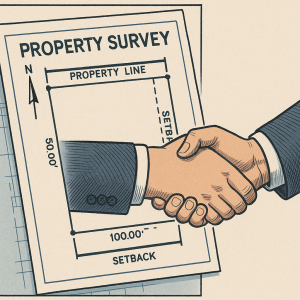
Property line encroachment laws Florida are an important consideration for homeowners in Fort Lauderdale and across the state. Whether you’re dealing with a fence, driveway or structure that crosses onto your land, Florida property boundaries define your rights and responsibilities. Understanding property line encroachment laws Florida early on can help you prevent disputes and protect your investment.
What Is Property Line Encroachment?
A property line encroachment occurs when one owner builds or extends a structure beyond their own boundary and onto an adjacent property. It can involve fences, buildings or driveways and often arises from unclear surveys or misunderstandings. When this happens, Florida law provides options to resolve the issue while safeguarding each owner’s rights.
Florida Property Line Encroachment Laws
Florida has several legal principles that apply to encroachments. Here are the key concepts:
| Legal Concept | Summary |
|---|---|
| Adverse Possession | Under Florida law, a person who openly and continuously occupies land without permission for at least seven years may be able to claim ownership, but only by meeting strict statutory requirements, including, for most claims, filing a return with the county property appraiser and paying the property taxes. This doctrine encourages property owners to monitor encroachments and act promptly. |
| Ejectment | If an encroachment persists, the affected party may file an ejectment lawsuit to remove the encroaching structure. Ejectment actions are typically used when negotiation and mediation fail. |
| Boundary Line Agreements | Property owners can enter into a boundary line agreement to confirm and record the correct boundary. This preventive measure helps avoid future disputes. |
In addition to these principles, Florida statutes like Section 95.18 on adverse possession provide detailed guidelines. Homeowners can also consult resources such as the Florida Bar Association and the Broward County Property Appraiser for information on property lines.
Checklist: Steps to Address Property Line Encroachment
If you discover an encroachment on your property, follow these steps to resolve it:
- Get a Professional Survey: Hire a licensed surveyor to verify the exact boundary lines.
- Talk to Your Neighbor: Open a dialogue with the other property owner to discuss the encroachment and explore amicable solutions.
- Send a Legal Notice: If informal discussion fails, send a formal notice requesting removal of the encroachment.
- Seek Mediation: A mediator can help the parties reach a compromise without going to court.
- File a Lawsuit: When other methods don’t work, consider filing an ejectment or quiet title action to enforce your rights.
Your Legal Options When a Neighbor Encroaches
Florida does not have a single “encroachment statute.” Instead, property owners rely on a combination of surveys, agreements and court remedies:
- A boundary survey. A licensed Florida surveyor can locate the true line and show exactly what crosses it. Most disputes cannot be resolved without one.
- A written demand. A letter, ideally from an attorney, that identifies the encroachment, attaches the survey and asks for removal by a specific date.
- A recorded agreement. Neighbors can resolve many encroachments by signing a boundary line agreement, granting an easement, or selling the strip of land, and recording the document in the county’s Official Records so it binds future owners.
- Ejectment. A lawsuit under Chapter 66 of the Florida Statutes asking the court to restore possession of your land and order the encroachment removed.
- Trespass and injunction. Claims for damages and a court order stopping ongoing or repeated intrusions.
- Quiet title. A quiet title action asks the court to declare where the boundary is and who owns the disputed strip.
In some cases involving a small encroachment built in good faith, a court may weigh the cost of removal against the harm to the owner and award money damages instead of ordering a structure torn down. How a court handles your situation depends on the facts, so get advice before you remove anything yourself.
Adverse Possession and Encroachment in Florida
Many homeowners worry that a neighbor’s fence or shed will eventually give the neighbor ownership of the land underneath it. In Florida that is much harder than most people think. A claim without a deed requires at least seven years of open, continuous and hostile possession, a return filed with the county property appraiser within one year of entering possession, and payment of all property taxes on the land during that time. A claim based on a defective deed, called color of title, also requires seven years of continued possession. Giving your neighbor written permission to use the area, or objecting in writing, helps protect you, because use with the owner’s permission is not hostile. Our guide to adverse possession in Florida explains each requirement in detail.
Boundary by Acquiescence
Florida courts also recognize boundary by acquiescence. When neighbors were genuinely uncertain about where the true line was and both treated a fence or other marker as the boundary for at least seven years, a court may fix the boundary at that line even if a later survey shows it is in the wrong place. This is one reason not to let a misplaced fence sit unaddressed for years.
Fences, Trees and Driveways
- Fences. Florida has no single statewide rule on how far a fence must sit from the property line. Height, placement and permits are set by city or county codes and, in many communities, by HOA rules. Building slightly inside your own line, based on a current survey, avoids most fence disputes.
- Trees. As a general rule in Florida, you may trim branches and roots that cross onto your property, at your own expense and up to the property line, as long as you do not destroy the tree. Damage caused by a neighbor’s tree raises separate questions about notice and negligence.
- Driveways. Driveways and walkways that cross a line are often resolved with a recorded easement rather than removal, especially when the driveway is the only practical access.
How to Find Your Exact Property Line in Broward County
The maps on the Broward County Property Appraiser’s website are useful for a first look, but they are approximate and are not legal surveys. The legal description in your deed, the recorded plat for your subdivision, and a boundary survey by a licensed surveyor are what control. Deeds, plats and recorded boundary agreements are available through Broward County’s Official Records. If you bought with title insurance, check whether your policy includes a survey and whether it lists any encroachments as exceptions.
When to Seek Legal Help
Encroachment disputes can be stressful and time‑consuming. If you cannot resolve the issue through discussion or mediation, or if your neighbor claims adverse possession, you should consult a local attorney experienced in Florida real estate litigation. A Fort Lauderdale real estate lawyer can evaluate your case, draft legal notices and represent you in court if necessary. Local attorneys are familiar with Broward County procedures and laws, such as those related to official record searches and deed filings. You can explore our Real Estate Law Broward County practice area or learn more about Real Estate Litigation services we offer. Our attorney profile provides details about our experience and credentials.
Frequently Asked Questions
How do I know where my property line is?
Obtain a professional land survey and review your deed. County property appraisers also provide maps and records to help identify boundaries.
Can my neighbor claim my land through adverse possession?
Florida’s adverse possession statute requires at least seven years of open, continuous and hostile possession without your permission. A claimant who has no deed to the land must also file a return with the county property appraiser within one year of taking possession and pay the property taxes for the entire period. If any requirement is missing, the claim fails, which is why most adverse possession claims against Florida homeowners do not succeed.
What can I do if my neighbor’s fence is on my property?
Start with a boundary survey. If the fence is over the line, send a written demand asking for it to be moved and, if your neighbor refuses, an attorney can pursue an agreement or a lawsuit for ejectment. Do not tear the fence down yourself, which can expose you to a claim.
Is there a Florida fence law about property lines?
Not a single statewide one. Fence placement and height are governed by local codes and HOA rules, so check with your city or county building department before building or moving a fence.
How long does it take to resolve an encroachment dispute?
The timeline varies. Informal discussions or mediation can resolve issues quickly, while litigation may take months or longer depending on the complexity.
What evidence do I need for a property line case?
Important evidence includes surveys, deeds, photographs, correspondence and any boundary agreements or notices sent between parties.
Will my homeowner’s insurance cover legal costs?
Some policies may cover legal expenses related to property disputes. Check your policy or consult your insurance agent to understand your coverage.
What To Look For In A Fort Lauderdale Real Estate Attorney
Choosing the right attorney is essential when dealing with property line encroachment. Look for a lawyer with experience in Florida property laws and a proven record in real estate litigation. Local knowledge matters, so select someone familiar with Broward County courts and administrative procedures. A responsive and compassionate attorney will communicate clearly and work to protect your property rights. To discuss your case or get more information about property line encroachment laws Florida, contact us today.
